
Virtual Reality Therapy (VRT)
Applications of Virtual Reality in Mental Health
Virtual Reality Therapy (VRT) is a therapeutic approach that utilizes technology to target the underlying psychological mechanisms of various mental health conditions. Its applications are broad and include anxiety disorders (e.g., specific phobias, social anxiety), post-traumatic stress disorder (PTSD), addictive behaviors, or eating disorders. VRT continues to expand, driven by the ongoing advancements in clinical research exploring its broader therapeutic potential.
VRT utilizes immersive, computer-generated environments and interactive scenarios tailored to the characteristics of each condition. A central aim of this approach is "systematic desensitization", which refers to a repetitive and controlled exposure procedure that helps reduce an individual’s reactivity to distressing stimuli. By combining exposure-based techniques with the unique advantages of immersive technology, VRT complements mental health treatment.
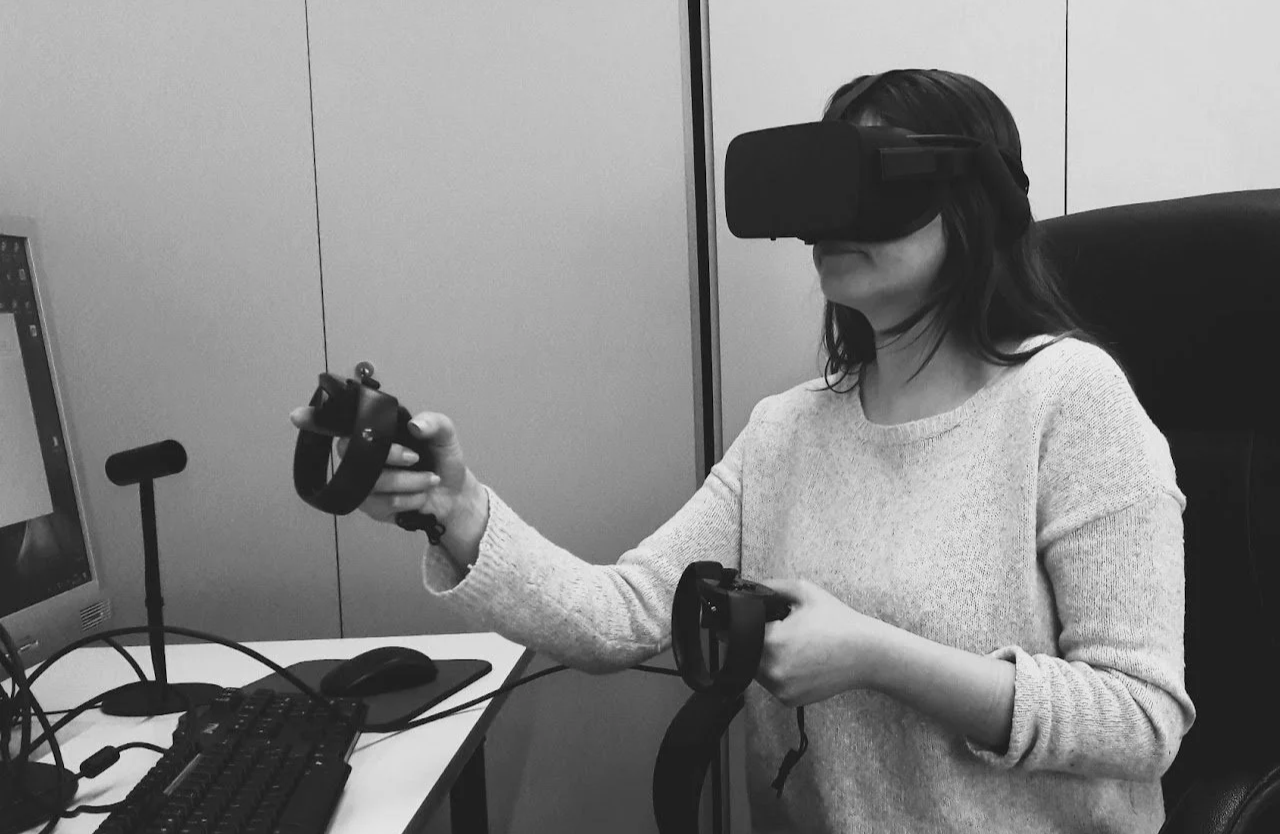
My experience with VR
VR-Psy Lab, University of Barcelona, Spain
My first experience with virtual reality (VR) in mental health began in 2015, which sparked my interest in exploring its clinical applications. This interest ultimately led me to pursue a PhD focused on the use of VR in the assessment and treatment of addictive behaviors. My doctoral research project, ALCO-VR, explored the therapeutic potential of VR exposure to immersive environments in individuals with alcohol use disorder.
ALCO-VR gained international attention and was tested at universities in Australia and Turkey. Over the past decade, witnessing the rapid development of VR in clinical contexts has deepened my understanding of its potential in mental health care. Such background in VR research has enabled me to integrate VR-based interventions into my clinical practice.